Opening Plenary Session I.I
The welfare state of the (near) future – What must remain the same? But what must also change?
Opening Plenary Session I.I
The welfare state of the (near) future – What must remain the same? But what must also change?
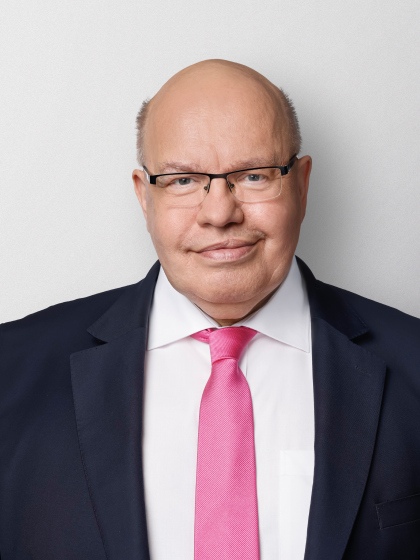
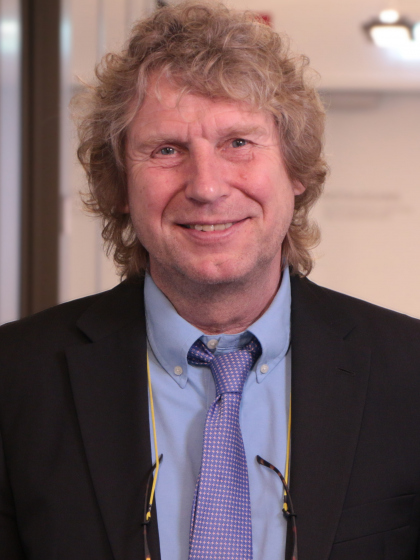

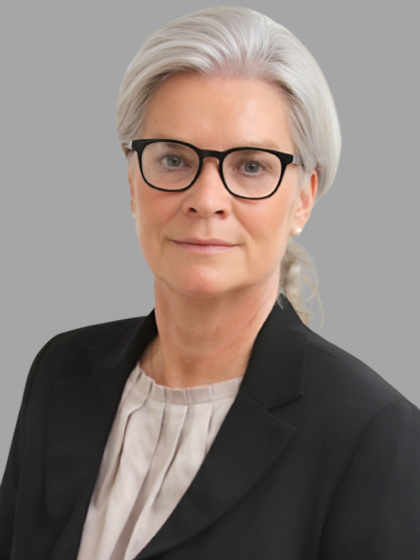
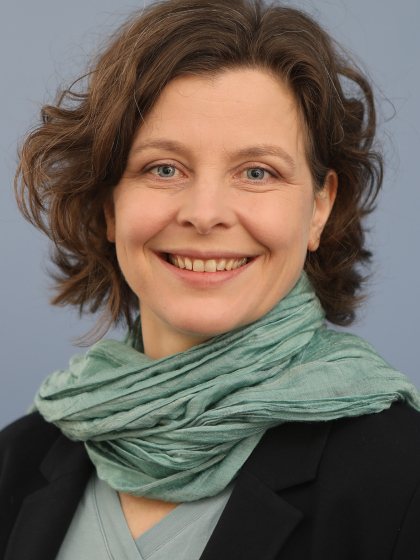


The German welfare state faces major challenges: digital transformation, demographic change and rising expectations on the one hand, and the debate over its long-term financial sustainability on the other. Whilst some voices warn that the system is no longer sustainable in its current form, others point out that the proportion of social expenditure relative to economic output has remained stable for years. Furthermore, (excessively) high non-wage labour costs are undermining Germany’s competitiveness as a business location. One thing is clear: there needs to be an open discussion on funding and reform.
In this session and throughout the conference, all five pillars of social security – health, long-term care, pension, unemployment and accident insurance – will be systematically examined. The event is guided by the principles set out in the coalition agreement – digitalisation & user-centred approach, efficiency & transparency, intergenerational fairness & stable funding, and economic sustainability – and supplements these with the key question of financial viability. Three questions are posed for each pillar:
-
What works well and should be retained?
-
Where are structural changes needed, and how could they be implemented?
-
Which models ensure long-term funding? (e.g. digital processes, fair distribution of the burden, redistribution, retirement age, solidarity contributions from the wealthy)
The session discusses specific examples: in the pension scheme, the focus is on the intergenerational contract, subsidies and a possible higher retirement age; in health and long-term care insurance, on addressing funding deficits and the role of dual systems; in unemployment insurance, the focus is on dealing with basic income and work incentives; in accident insurance, the focus is on prevention in new forms of work. The aim of the session is to develop courses of action that both maintain social protection and ensure stable and fair funding.